-
22mm Countersink Radiused Slotting Sintered Diamond Drill Bit, 5pcs – 6mm Shank for Stone, Glass & Ceramic
Vendor:hanslapidarytoolRegular price $10.26 USDRegular price$21.37 USDSale price $10.26 USDSale -
10mm Flat Wheel Shape Sintered Diamond Drill Bit – 6mm Shank, 5-Piece Set for Stone, Concrete & Quartz Surfacing
Vendor:hanslapidarytoolRegular price $12.82 USDRegular price$21.37 USDSale price $12.82 USDSale -
3.0mm Conical Pointed Sintered Diamond Bur, 5pcs – 6mm Shank, 18mm Segment for Granite, Tile & Glass Carving
Vendor:hanslapidarytoolRegular price $29.91 USDRegular price$38.46 USDSale price $29.91 USDSale -
2.0mm Conical Pointed Sintered Diamond Bur, 5pcs – 6mm Shank, 18mm Segment for Granite, Tile & Glass Carving
Vendor:hanslapidarytoolRegular price $29.91 USDRegular price$38.46 USDSale price $29.91 USDSale -
1.5mm Conical Pointed Sintered Diamond Bur, 5pcs – 6mm Shank, 18mm Segment for Granite, Tile & Glass Carving
Vendor:hanslapidarytoolRegular price $29.91 USDRegular price$38.46 USDSale price $29.91 USDSale -
15mm 90° Sintered Diamond Countersink Drill Bit, 5pcs – 6mm Shank, 1.2mm Pilot Tip for Granite, Tile & Glass
Vendor:hanslapidarytoolRegular price $34.19 USDRegular price$38.46 USDSale price $34.19 USDSale -
15mm 90° Sintered Diamond Countersink Drill Bit, 5pcs – 8mm Shank, 1.2mm Pilot Tip for Granite, Tile & Glass
Vendor:hanslapidarytoolRegular price $38.46 USDRegular price$38.46 USDSale price $38.46 USD -
8mm Bullet Shape Sintered Diamond Bur, 5pcs – 6mm Shank for Stone, Glass & Ceramic
Vendor:hanslapidarytoolRegular price $22.22 USDRegular price$38.46 USDSale price $22.22 USDSale -
7mm Flat End Cylinder Sintered Diamond Drill Bit 5pcs – Precision Stone & Glass Carving
Vendor:hanslapidarytoolRegular price $22.22 USDRegular price$38.46 USDSale price $22.22 USDSale -
6mm Bullet Shape Sintered Diamond Drill Bit 5pcs – Precision Stone & Glass Carving
Vendor:hanslapidarytoolRegular price $20.51 USDRegular price$38.46 USDSale price $20.51 USDSale -
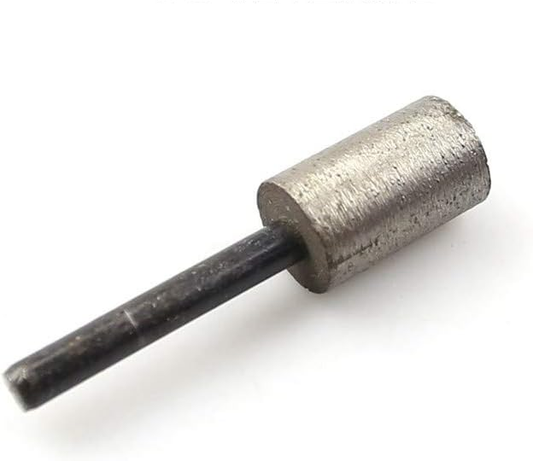
6mm Flat End Cylinder Sintered Diamond Drill Bit 5pcs – Precision Stone & Glass Carving
Vendor:hanslapidarytoolRegular price $22.22 USDRegular price$38.46 USDSale price $22.22 USDSale -
15mm 60° Sintered Diamond Countersink Drill Bit, 5pcs – 6mm Shank, 1.2mm Pilot Tip for Granite, Tile & Glass
Vendor:hanslapidarytoolRegular price $34.19 USDRegular price$38.46 USDSale price $34.19 USDSale -
15mm 60° Sintered Diamond Countersink Drill Bit, 5pcs – 8mm Shank, 1.2mm Pilot Tip for Granite, Tile & Glass
Vendor:hanslapidarytoolRegular price $38.46 USDRegular price$38.46 USDSale price $38.46 USD -
5mm Flat End Cylinder Sintered Diamond Drill Bit 5pcs – Precision Stone & Glass Carving
Vendor:hanslapidarytoolRegular price $20.51 USDRegular price$38.46 USDSale price $20.51 USDSale -
50mm Diameter Mushroom Head Sintered Diamond Drill Bit – M10 Female Thread, 33mm Height, for Deep Cavity Carving in Stone & Glass
Vendor:hanslapidarytoolRegular price $29.91 USDRegular price$38.46 USDSale price $29.91 USDSale -
15mm 45° Sintered Diamond Countersink Drill Bit, 5pcs – 6mm Shank, 1.2mm Pilot Tip for Granite, Tile & Glass
Vendor:hanslapidarytoolRegular price $34.19 USDRegular price$38.46 USDSale price $34.19 USDSale -
40mm Flat Wheel Sintered Diamond Bur, 5pcs – 46 Grit 6mm Shank for Stone, Concrete & Granite
Vendor:hanslapidarytoolRegular price $10.26 USDRegular price$12.82 USDSale price $10.26 USDSale -
40mm Flat Wheel Shape Sintered Diamond Drill Bit – 6mm Shank, 5-Piece Set for Stone, Concrete & Quartz Surfacing
Vendor:hanslapidarytoolRegular price $12.82 USDRegular price$21.37 USDSale price $12.82 USDSale -
35mm Flat Wheel Shape Sintered Diamond Drill Bit – 6mm Shank, 5-Piece Set for Stone, Concrete & Quartz Surfacing
Vendor:hanslapidarytoolRegular price $12.82 USDRegular price$21.37 USDSale price $12.82 USDSale -
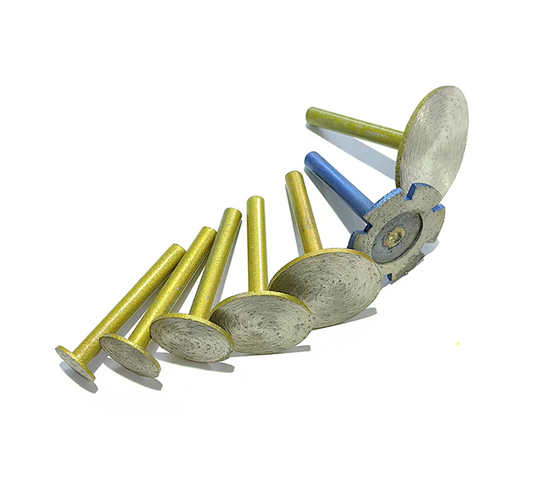
30mm Flat Wheel Sintered Diamond Bur, 5pcs – 46 Grit 6mm Shank for Stone, Concrete & Granite
Vendor:hanslapidarytoolRegular price $9.40 USDRegular price$12.82 USDSale price $9.40 USDSale -
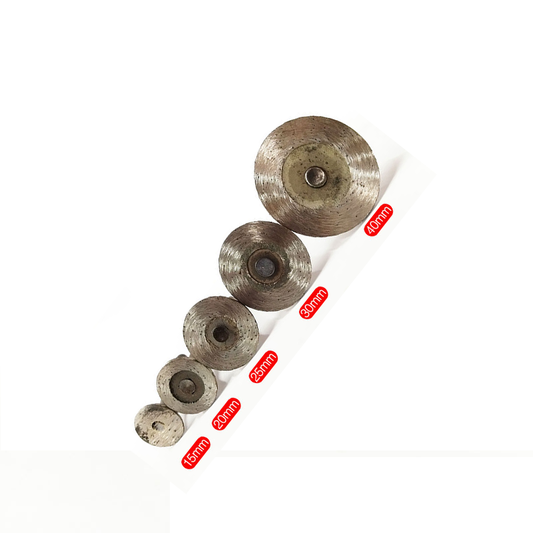
30mm Flat Wheel Shape Sintered Diamond Drill Bit – 6mm Shank, 5-Piece Set for Stone, Concrete & Quartz Surfacing
Vendor:hanslapidarytoolRegular price $12.82 USDRegular price$21.37 USDSale price $12.82 USDSale -
25mm Flat Wheel Sintered Diamond Bur, 5pcs – 46 Grit 6mm Shank for Stone, Concrete & Granite
Vendor:hanslapidarytoolRegular price $8.55 USDRegular price$12.82 USDSale price $8.55 USDSale -
25mm Flat Wheel Shape Sintered Diamond Drill Bit – 6mm Shank, 5-Piece Set for Stone, Concrete & Quartz Surfacing
Vendor:hanslapidarytoolRegular price $12.82 USDRegular price$21.37 USDSale price $12.82 USDSale -
20mm Wheel Shape Sintered Diamond Bur, 5pcs – 6mm Shank for Stone, Glass & Ceramic
Vendor:hanslapidarytoolRegular price $7.69 USDRegular price$12.82 USDSale price $7.69 USDSale -
20mm mm Flat Wheel Shape Sintered Diamond Drill Bit – 6mm Shank, 5-Piece Set for Stone, Concrete & Quartz Surfacing
Vendor:hanslapidarytoolRegular price $12.82 USDRegular price$21.37 USDSale price $12.82 USDSale -
20mm Flat End Cylinder Sintered Diamond Bur, 5pcs – 6mm Shank for Stone, Glass & Ceramic
Vendor:hanslapidarytoolRegular price $18.80 USDRegular price$21.37 USDSale price $18.80 USDSale -
16mm Countersink Radiused Slotting Sintered Diamond Drill Bit, 5pcs – 6mm Shank for Stone, Glass & Ceramic
Vendor:hanslapidarytoolRegular price $10.26 USDRegular price$21.37 USDSale price $10.26 USDSale -
15mm mm Flat Wheel Shape Sintered Diamond Drill Bit – 6mm Shank, 5-Piece Set for Stone, Concrete & Quartz Surfacing
Vendor:hanslapidarytoolRegular price $12.82 USDRegular price$21.37 USDSale price $12.82 USDSale -
15mm 120° Sintered Diamond Countersink Drill Bit, 5pcs – 8mm Shank, 1.2mm Pilot Tip for Granite, Tile & Glass
Vendor:hanslapidarytoolRegular price $38.46 USDRegular price$38.46 USDSale price $38.46 USD