-

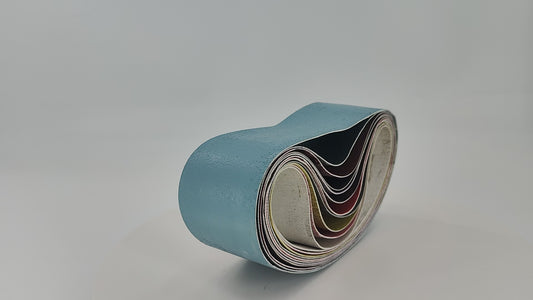
8" x 3" Resin Bonded Diamond Sanding Belts – Precision Grinding & Polishing for Stone, Glass & Metal
Dostawca:flexiblediamondabrasiveCena regularna $47.01 USDCena regularna -
6" x 2.5" Resin Bonded Diamond Sanding Belts – Precision Grinding & Polishing Belts for Stone, Glass & Metal
Dostawca:flexiblediamondabrasiveCena regularna $38.46 USDCena regularna -
6" x 1.5" Resin Bonded Diamond Sanding Belts – Precision Grinding & Polishing Belts for Stone, Glass & Metal
Dostawca:flexiblediamondabrasiveCena regularna $29.91 USDCena regularna -
8" x 3" 4-Grit Set Resin Bonded Diamond Sanding Belts (280, 600, 1200, 3000 Grit) – Stone, Glass & Metal Grinding
Dostawca:flexiblediamondabrasiveCena regularna Od $47.01 USDCena regularna -
8" x 3" 280 Grit Resin Bonded Diamond Sanding Belts – Precision Grinding & Polishing Belts for Stone, Glass & Metal
Dostawca:flexiblediamondabrasiveCena regularna $47.01 USDCena regularna$61.54 USDCena promocyjna $47.01 USDW promocji -
6" x 2.5" 4-Grit Set Resin Bonded Diamond Sanding Belts – Stone, Glass & Metal Grinding
Dostawca:flexiblediamondabrasiveCena regularna Od $38.46 USDCena regularna -
6" x 1.5" 4-Grit Set Resin Bonded Diamond Sanding Belts – Stone, Glass & Metal Grinding
Dostawca:flexiblediamondabrasiveCena regularna Od $29.91 USDCena regularna -
8" x 3" 600 Grit Resin Bonded Diamond Sanding Belts – Precision Grinding & Polishing Belts for Stone, Glass & Metal
Dostawca:flexiblediamondabrasiveCena regularna $47.01 USDCena regularna$61.54 USDCena promocyjna $47.01 USDW promocji -
6" x 1.5" 50000 Grit Resin Bonded Diamond Sanding Belts – Precision Grinding & Polishing Belts for Stone, Glass & Metal
Dostawca:flexiblediamondabrasiveCena regularna $25.64 USDCena regularna$34.19 USDCena promocyjna $25.64 USDW promocji -
6" x 1.5" 3000 Grit Resin Bonded Diamond Sanding Belts – Precision Grinding & Polishing Belts for Stone, Glass & Metal
Dostawca:flexiblediamondabrasiveCena regularna $25.64 USDCena regularna$34.19 USDCena promocyjna $25.64 USDW promocji -
8" x 3" 1200 Grit Resin Bonded Diamond Sanding Belts – Precision Grinding & Polishing Belts for Stone, Glass & Metal
Dostawca:flexiblediamondabrasiveCena regularna $47.01 USDCena regularna$61.54 USDCena promocyjna $47.01 USDW promocji -
8" x 3" 800 Grit Resin Bonded Diamond Sanding Belts – Precision Grinding & Polishing Belts for Stone, Glass & Metal
Dostawca:flexiblediamondabrasiveCena regularna $47.01 USDCena regularna$61.54 USDCena promocyjna $47.01 USDW promocji -
8" x 3" 325 Grit Resin Bonded Diamond Sanding Belts – Precision Grinding & Polishing Belts for Stone, Glass & Metal
Dostawca:flexiblediamondabrasiveCena regularna $47.01 USDCena regularna$61.54 USDCena promocyjna $47.01 USDW promocji -
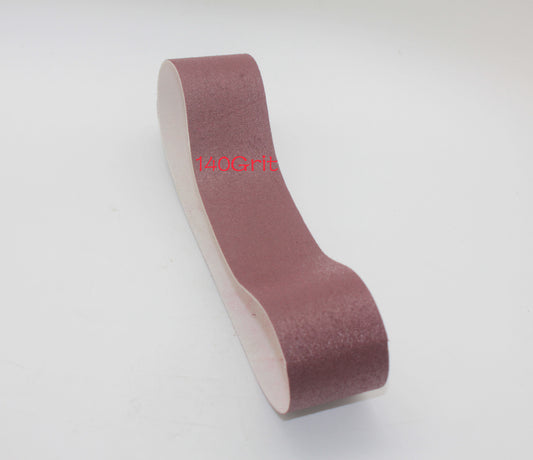
8" x 3" 140 Grit Resin Bonded Diamond Sanding Belts – Precision Grinding & Polishing Belts for Stone, Glass & Metal
Dostawca:flexiblediamondabrasiveCena regularna $47.01 USDCena regularna$61.54 USDCena promocyjna $47.01 USDW promocji -
6" x 2.5" 60 Grit Resin Bonded Diamond Sanding Belts – Precision Grinding & Polishing Belts for Stone, Glass & Metal
Dostawca:flexiblediamondabrasiveCena regularna $38.46 USDCena regularna$54.70 USDCena promocyjna $38.46 USDW promocji -
8" x 3" 60 Grit Resin Bonded Diamond Sanding Belts – Precision Grinding & Polishing Belts for Stone, Glass & Metal
Dostawca:flexiblediamondabrasiveCena regularna $38.46 USDCena regularna$61.54 USDCena promocyjna $38.46 USDW promocji -
6" x 1.5" 60 Grit Resin Bonded Diamond Sanding Belts – Precision Grinding & Polishing Belts for Stone, Glass & Metal
Dostawca:flexiblediamondabrasiveCena regularna $25.64 USDCena regularna$34.19 USDCena promocyjna $25.64 USDW promocji -
8" x 3" 50000 Grit Resin Bonded Diamond Sanding Belts – Precision Grinding & Polishing for Stone, Glass & Metal
Dostawca:flexiblediamondabrasiveCena regularna $47.01 USDCena regularna -
8" x 3" 14000 Grit Resin Bonded Diamond Sanding Belts – Precision Grinding & Polishing for Stone, Glass & Metal
Dostawca:flexiblediamondabrasiveCena regularna $47.01 USDCena regularna -
8" x 3" 8000 Grit Resin Bonded Diamond Sanding Belts – Precision Grinding & Polishing for Stone, Glass & Metal
Dostawca:flexiblediamondabrasiveCena regularna $47.01 USDCena regularna -
8" x 3" 3000 Grit Resin Bonded Diamond Sanding Belts – Precision Grinding & Polishing for Stone, Glass & Metal
Dostawca:flexiblediamondabrasiveCena regularna $47.01 USDCena regularna -
8" x 3" 1200 Grit Resin Bonded Diamond Sanding Belts – Precision Grinding & Polishing for Stone, Glass & Metal
Dostawca:flexiblediamondabrasiveCena regularna $47.01 USDCena regularna -
8" x 3" 800 Grit Resin Bonded Diamond Sanding Belts – Precision Grinding & Polishing for Stone, Glass & Metal
Dostawca:flexiblediamondabrasiveCena regularna $47.01 USDCena regularna -
8" x 3" 600 Grit Resin Bonded Diamond Sanding Belts – Precision Grinding & Polishing for Stone, Glass & Metal
Dostawca:flexiblediamondabrasiveCena regularna $47.01 USDCena regularna -
8" x 3" 325 Grit Resin Bonded Diamond Sanding Belts – Precision Grinding & Polishing for Stone, Glass & Metal
Dostawca:flexiblediamondabrasiveCena regularna $47.01 USDCena regularna -
8" x 3" 280 Grit Resin Bonded Diamond Sanding Belts – Precision Grinding & Polishing for Stone, Glass & Metal
Dostawca:flexiblediamondabrasiveCena regularna $47.01 USDCena regularna -
8" x 3" 140 Grit Resin Bonded Diamond Sanding Belts – Precision Grinding & Polishing for Stone, Glass & Metal
Dostawca:flexiblediamondabrasiveCena regularna $47.01 USDCena regularna -
8" x 3" 60 Grit Resin Bonded Diamond Sanding Belts – Precision Grinding & Polishing for Stone, Glass & Metal
Dostawca:flexiblediamondabrasiveCena regularna $47.01 USDCena regularna -
6" x 2.5" 50000 Grit Resin Bonded Diamond Sanding Belts – Precision Grinding & Polishing Belts for Stone, Glass & Metal
Dostawca:flexiblediamondabrasiveCena regularna $38.46 USDCena regularna -
6" x 2.5" 14000 Grit Resin Bonded Diamond Sanding Belts – Precision Grinding & Polishing Belts for Stone, Glass & Metal
Dostawca:flexiblediamondabrasiveCena regularna $38.46 USDCena regularna -
6" x 2.5" 8000 Grit Resin Bonded Diamond Sanding Belts – Precision Grinding & Polishing Belts for Stone, Glass & Metal
Dostawca:flexiblediamondabrasiveCena regularna $38.46 USDCena regularna -
6" x 2.5" 3000 Grit Resin Bonded Diamond Sanding Belts – Precision Grinding & Polishing Belts for Stone, Glass & Metal
Dostawca:flexiblediamondabrasiveCena regularna $38.46 USDCena regularna -
6" x 2.5" 1200 Grit Resin Bonded Diamond Sanding Belts – Precision Grinding & Polishing Belts for Stone, Glass & Metal
Dostawca:flexiblediamondabrasiveCena regularna $38.46 USDCena regularna -
6" x 2.5" 800 Grit Resin Bonded Diamond Sanding Belts – Precision Grinding & Polishing Belts for Stone, Glass & Metal
Dostawca:flexiblediamondabrasiveCena regularna $38.46 USDCena regularna -
6" x 2.5" 600 Grit Resin Bonded Diamond Sanding Belts – Precision Grinding & Polishing Belts for Stone, Glass & Metal
Dostawca:flexiblediamondabrasiveCena regularna $38.46 USDCena regularna -
6" x 2.5" 325 Grit Resin Bonded Diamond Sanding Belts – Precision Grinding & Polishing Belts for Stone, Glass & Metal
Dostawca:flexiblediamondabrasiveCena regularna $38.46 USDCena regularna